The 2024–2025 Red Sea Crisis: A Supply Chain Stress Test
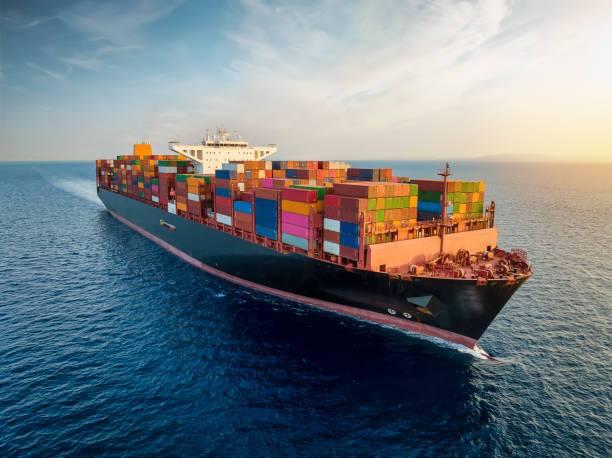
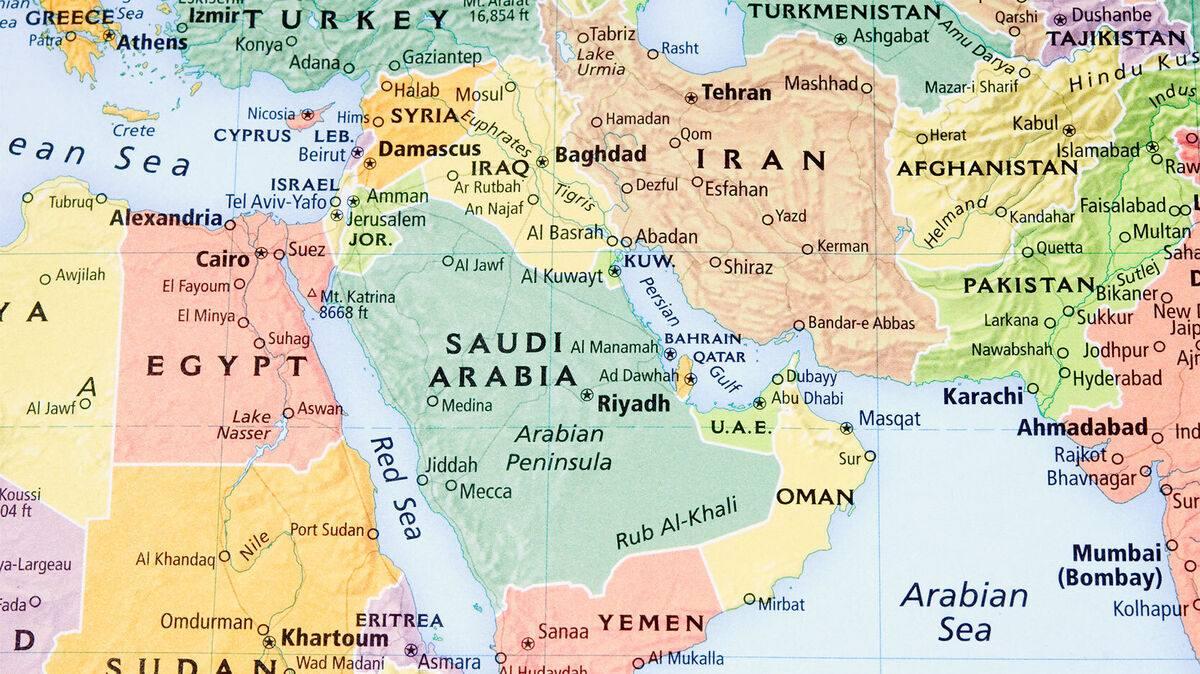
The Houthi movement's sustained campaign of attacks on commercial shipping in the Red Sea and Gulf of Aden, which began in earnest in November 2023 in response to the Gaza conflict, triggered the most significant disruption to global maritime trade routes since the COVID-19 pandemic. Within weeks, the decision calculus for the world's major container carriers had fundamentally shifted: the risk of transiting the Bab-el-Mandeb Strait, even with naval escort convoy programmes operating in the area, was deemed operationally unacceptable for the vast majority of container lines.
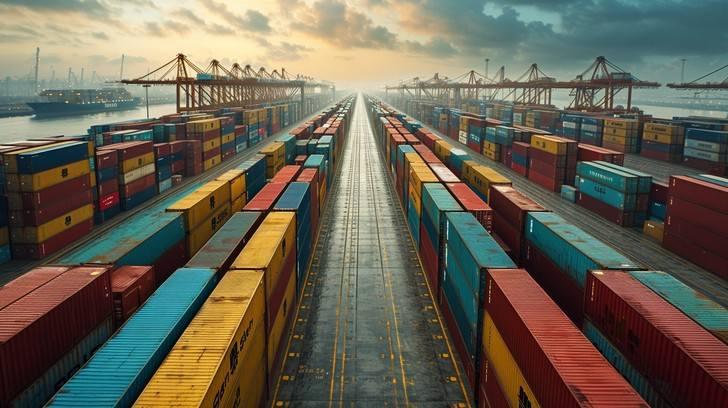
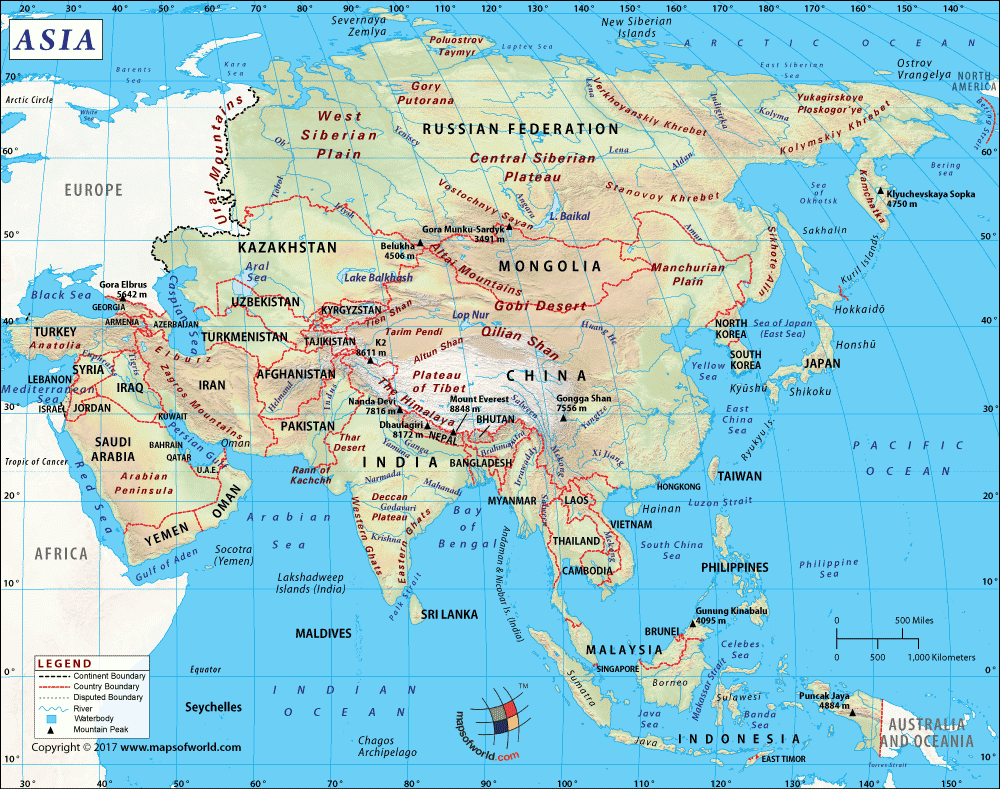
By the first quarter of 2024, over 90% of Asia-to-Europe container shipping volume had been rerouted around the Cape of Good Hope — adding approximately 10 to 14 days to each voyage leg and consuming significantly more fuel, crew time, and vessel capacity per unit of cargo moved. The impact on freight rates was immediate and dramatic: Shanghai Containerised Freight Index (SCFI) spot rates for Asia-Europe surged by 300 to 400% at their peak in mid-2024, with some lanes recording even higher spikes as carriers scrambled to deploy additional tonnage to cover the extended voyage distances.
The industries most acutely affected were those with high inventory turnover requirements and limited safety stock buffers: fast fashion, which relies on 10 to 12-week replenishment cycles from Asian manufacturing hubs; consumer electronics, which maintains deliberately lean inventory due to rapid product obsolescence; automotive parts, where just-in-time assembly line supply was disrupted within weeks; and perishable food categories where extended transit times directly degraded product quality and accelerated spoilage losses.
Companies that had built supply chain infrastructure centred on Dubai — with inventory buffers in JAFZA and DAFZA, established relationships with both air and ocean freight carriers out of DXB and Jebel Ali, and GCC road freight capability as a third mode — reported materially lower disruption impact. Their Dubai-based inventory absorbed demand while their ocean shipments were rerouting; their air freight relationships provided an emergency bridge for high-priority SKUs; and their logistics partners, already embedded in Dubai's freight ecosystem, could reroute and remode cargo within 48 to 72 hours of a decision to act.
What the Crisis Revealed About Modern Supply Chains
The Red Sea crisis was not simply an external shock that affected supply chains — it was a diagnostic event that exposed pre-existing structural vulnerabilities that had accumulated during two decades of globalisation and the systematic pursuit of inventory efficiency over supply chain robustness.
The just-in-time (JIT) inventory philosophy, which became the dominant supply chain management paradigm through the 1990s and 2000s, is founded on the premise that carrying inventory is waste — that money tied up in stock is money that could be deployed more productively elsewhere. JIT works exceptionally well when transit time variability is low, when suppliers are reliable, and when demand is predictable. The Red Sea crisis simultaneously attacked all three of those assumptions: transit times became unpredictable, the rerouting added 2 to 3 weeks of variability to each voyage, and demand patterns became erratic as consumer behaviour responded to product unavailability and price increases.
Single-route dependence was exposed as a catastrophic risk concentration. Companies that had optimised their supply chains around the Suez Canal route — selecting carriers, booking agreements, and planning inventory replenishment cycles around the reliability of that specific routing — had no alternative when the route became unavailable. Rerouting cargo mid-transit is far more expensive and logistically complex than building multi-route optionality into the original supply chain design.
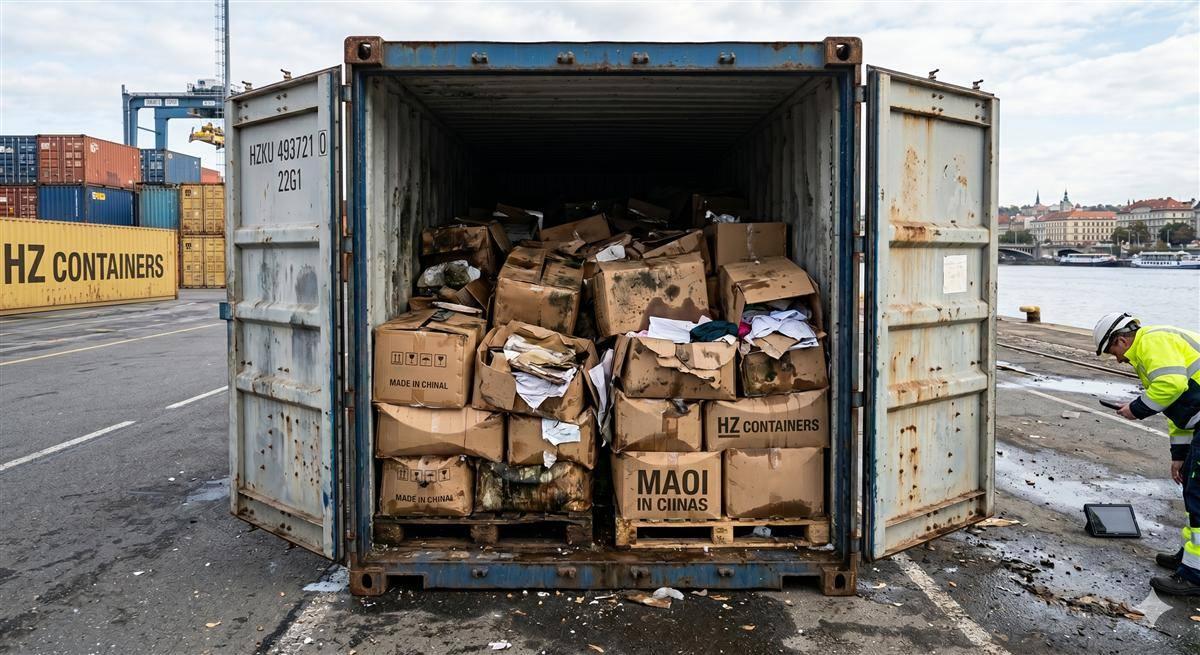
Companies with established Dubai inventory buffers experienced a starkly different 2024. While competitors stockedout on high-demand product lines and scrambled to reroute ocean shipments or charterunprecedented volumes of emergency air freight at peak-crisis rates, Dubai-based distributors continued fulfilling orders from their JAFZA and DAFZA warehouses. The cost of carrying that inventory for an additional 4 to 6 weeks was trivially small compared to the lost sales, airfreight premiums, and customer relationship damage suffered by their lean-inventory competitors.
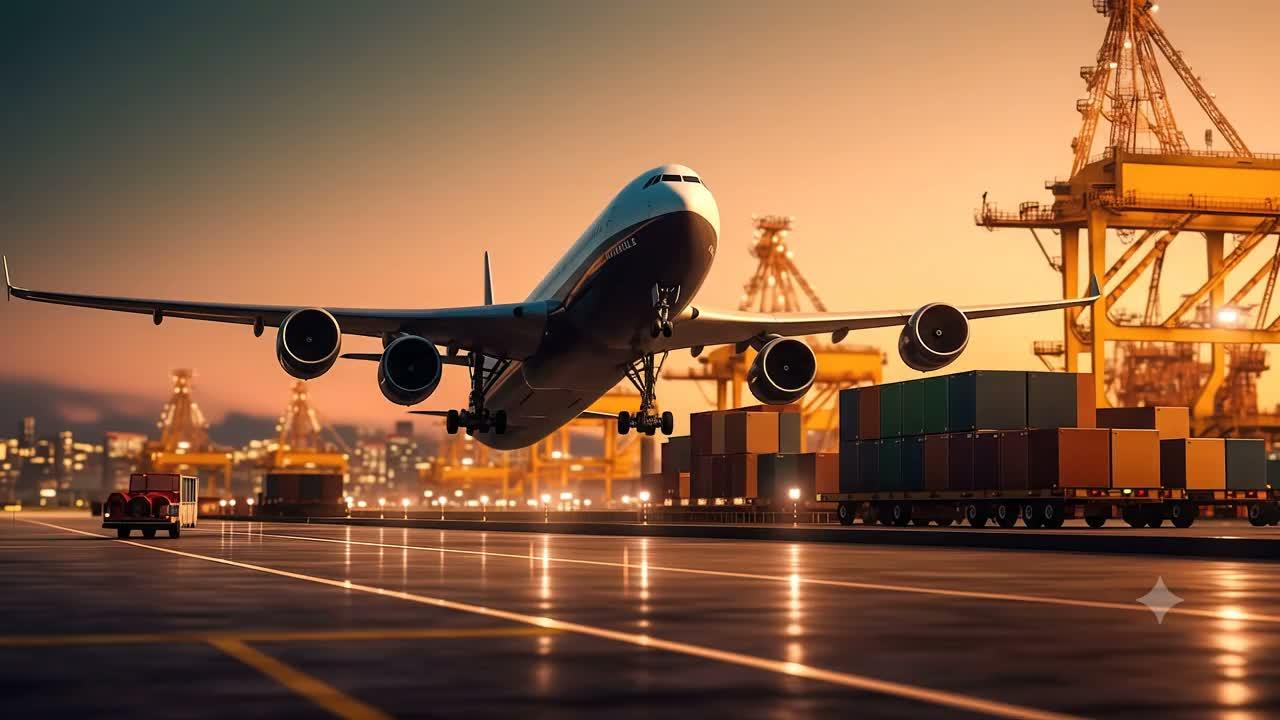
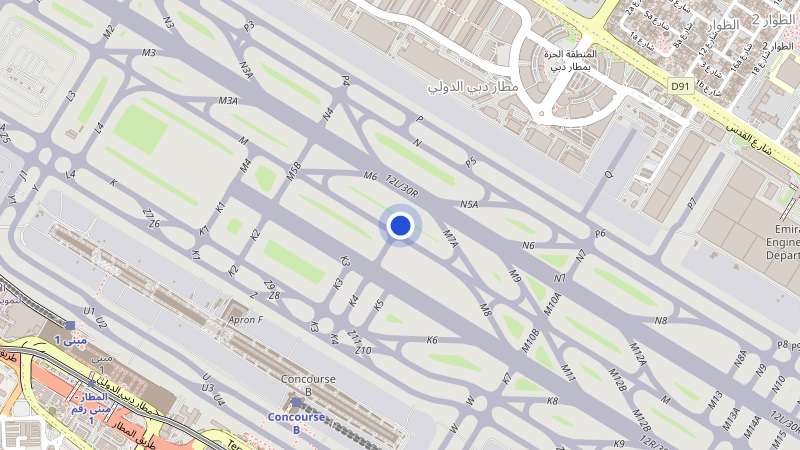
Air freight capacity out of Dubai International Airport (DXB) surged to absorb a portion of the displaced ocean volume. DXB, which ranks consistently among the world's top 5 cargo airports by volume, had the infrastructure and carrier relationships to respond — but capacity was finite and rates climbed sharply as demand concentrated into an already-busy peak season air freight market. Companies with pre-negotiated air freight capacity agreements, even at rates modestly above the pre-crisis spot market, found themselves in an enviable position compared to those entering the spot market at crisis peak prices.
Perhaps the most durable lesson from the Red Sea crisis is the distinction between efficiency and resilience. An efficient supply chain minimises cost under normal conditions. A resilient supply chain maintains acceptable performance under disrupted conditions. These are not the same objective, and optimising purely for efficiency necessarily sacrifices resilience. The Red Sea crisis demonstrated — at enormous financial cost to many companies — that the cost of resilience investment is nearly always less than the cost of a resilience failure.
Dubai's Five Structural Resilience Advantages
Dubai's emergence as the world's leading multi-modal logistics hub is not accidental — it is the product of deliberate infrastructure investment, regulatory design, and geographic positioning that collectively create resilience advantages unavailable from any other single hub location in the world. Understanding these advantages is essential context for supply chain architects designing for the disruption environment of 2026 and beyond.
Advantage 1: Geographic Neutrality
The UAE maintains active trade relationships simultaneously with the world's largest economies — the United States, the European Union, China, India, Russia, and Southeast Asia — without the geopolitical alignment constraints that limit the routing flexibility of hubs in sanctioned, diplomatically isolated, or conflict-adjacent territories. This geopolitical neutrality is not merely a diplomatic stance; it is a functional supply chain asset. Cargo of virtually any lawful origin can transit Dubai without triggering sanctions screening complications. As global trade increasingly fragments along geopolitical fault lines, the ability to operate a single hub that serves all major trading blocs is an increasingly rare and valuable logistics property.
Advantage 2: Multi-Modal Infrastructure
Dubai is one of a tiny number of cities in the world that can credibly claim world-class status in three independent freight modes simultaneously. Dubai International Airport (DXB) handles over 2.7 million tonnes of air cargo annually, making it consistently a top-5 global cargo airport with direct connections to over 240 destinations. Jebel Ali Port, operated by DP World, handles over 15 million TEUs annually and connects to 400 ports worldwide, ranking among the top 10 container ports globally. The GCC road network provides direct overland access to six countries and over 100 million consumers within 26 hours of loading in Dubai. Having all three modes available from a single operational base means that when one mode is disrupted, degraded, or priced out of competitiveness, the others are immediately accessible alternatives without relocating cargo between different hub cities.
Advantage 3: Free Zone Infrastructure
The UAE's network of over 40 designated free zones, anchored by JAFZA and DAFZA in Dubai, provides the regulatory and fiscal framework for hub operations that makes Dubai genuinely competitive with Singapore, Rotterdam, and Hong Kong as a distribution platform. Free zone companies operate with 100% foreign ownership, zero corporate income tax on profits earned from international trade, zero customs duty on goods stored and re-exported, full repatriation of capital and profits, and streamlined business setup procedures measured in days rather than months. For supply chain operators, this means the cost of establishing a Dubai-based distribution hub is materially lower than in most competing jurisdictions, and the ongoing operating cost structure is internationally competitive.
Advantage 4: Transshipment Capability
Jebel Ali's position in the DP World global terminal network gives Dubai-based supply chains access to transshipment optionality that no other single hub city can match. DP World operates terminals in 78 countries; cargo originating at or transiting through Jebel Ali can be efficiently transferred to DP World's global feeder network, connecting to over 60 smaller regional ports in the Red Sea, Persian Gulf, Arabian Sea, and Indian Ocean basin that have no direct mainline vessel calls. During the Red Sea crisis, this network allowed Jebel Ali-based operators to reroute cargo through alternative DP World terminals — in Sokhna (Egypt), Berbera (Somaliland), Maputo (Mozambique), and others — with operational efficiency unavailable to shippers routing through less-connected single-port hubs.
Advantage 5: Established Logistics Ecosystem
Over 5,000 licensed freight and logistics companies operate in the UAE, with the majority concentrated in Dubai's free zones and the Jebel Ali-DXB corridor. This density creates a deep, competitive market for logistics services — customs brokerage, freight forwarding, warehousing, distribution, cold chain, project cargo, and specialised transport — with service quality and pricing options unavailable in markets with thinner freight ecosystems. New logistics providers can enter the Dubai market quickly because the supporting infrastructure — bonded warehouses, container repair depots, cargo handling equipment, fuel supply — is already dense and competitively priced. For supply chain operators, this means that scaling up Dubai-based operations in response to disruption elsewhere — as many companies did in 2024 — is far faster and less costly than establishing equivalent capability from scratch in a less-developed logistics market.
Building the Dubai-Centred Multi-Modal Strategy
The architectural principle behind a Dubai-centred multi-modal supply chain is straightforward: Dubai becomes your primary inventory and distribution hub for the Middle East, South Asia, and East Africa regions — a position from which all three freight modes are available to reach final destinations, and where strategic inventory can buffer against mode disruptions or origin supply failures.
The operational implementation has several distinct components. First, establish a warehousing presence in JAFZA or DAFZA — the choice between them depends primarily on whether your predominant freight mode is ocean (JAFZA, with direct Jebel Ali Port adjacency) or air (DAFZA, with airside access to DXB cargo terminals). Both free zones offer duty-free storage, and both provide access to value-added services including light assembly, repackaging, relabelling, and quality inspection that enable you to serve multiple market requirements from a single SKU inventory base.
Second, maintain dual carrier contracts for ocean freight — at least two independent shipping lines on your primary Asia-to-Dubai and Dubai-to-destination ocean lanes. In practice, this means splitting volume between carriers at a ratio of roughly 60/40 or 70/30, which preserves commercial priority with both carriers while ensuring that a capacity withdrawal by one carrier does not leave you without ocean options. Ocean carrier relationships are built over years and are difficult to establish quickly in a crisis — negotiate before you need the second carrier, not during a disruption when everyone else is also seeking capacity.
Third, build the air freight option before you need it. The worst time to negotiate emergency air freight capacity is when freight rates are spiking and every other shipper is simultaneously seeking the same thing. Engage with two or three air freight carriers on a standby or framework agreement basis during normal market conditions when you have negotiating leverage and carriers have an incentive to offer competitive rates for future volume commitments. Even a modest annual volume commitment in exchange for a capacity reservation and rate cap can provide enormous optionality during a crisis.
Fourth, design supply chain architecture that can shift mode within 48 to 72 hours of receiving a disruption signal. This means having standard operating procedures for mode switching, pre-qualified air freight forwarders who know your commodity profile, and Incoterms arrangements with suppliers that give you flexibility to redirect cargo mid-transit if circumstances require it. Mode switching that takes two weeks of internal approvals and procurement processes is not resilience — it is slow reaction. Genuine resilience is a decision that can be executed immediately because the commercial framework was built in advance.
The China+1 Strategy: How Dubai Fits
The strategic imperative to reduce manufacturing concentration in China — driven by geopolitical risk, labour cost inflation, and hard lessons from COVID-era supply chain disruptions — has accelerated the shift of production capacity to alternative Asian manufacturing centres: Vietnam for electronics and apparel, India for pharmaceuticals and engineering goods, Bangladesh for textiles, and Indonesia and Cambodia for footwear and consumer goods.
This production diversification creates a new supply chain challenge: managing multiple origin countries, each with different documentation requirements, shipping schedules, transit times, and logistics ecosystem maturity. For buyers in Europe, the Americas, or the Middle East, receiving separate shipments from five different Asian countries multiplies freight booking complexity, documentary workload, and customs declarations at destination — all while reducing the economies of scale that made single-origin sourcing administratively convenient.
Dubai solves this problem elegantly. DAFZA and JAFZA offer multi-origin consolidation as a standard value-added service: cargo from Vietnam, India, Bangladesh, and any other origin arrives separately at the Dubai free zone by ocean or air, is consolidated into single outbound shipments by SKU or by destination, and forwarded to the buyer as a single shipment with a single set of shipping documents. The buyer receives a cleaner, more manageable inbound freight process; the supplier diversity that drives resilience does not translate into documentary chaos at destination.
Beyond consolidation, DAFZA and JAFZA free zone operators can provide value-added services including light assembly (combining components from different origins into finished goods), kitting (assembling retail-ready product bundles), relabelling (applying destination-market labels in Arabic, local language, or with regional regulatory compliance information), and quality inspection (third-party QC inspection before goods are forwarded to final buyers). These services transform Dubai from a pure transit hub into a genuinely productive node in the supply chain that adds value to goods rather than merely moving them.
Safety Stock and Inventory Management: Rethinking JIT
The post-Red Sea supply chain consensus has shifted measurably on the question of safety stock. Leading supply chain practitioners — at companies ranging from consumer electronics giants to fast-moving consumer goods multinationals — are now openly discussing and implementing significantly higher safety stock targets for critical SKUs than would have been considered acceptable under the lean inventory orthodoxy of the pre-2020 era.
The emerging best practice targets 8 to 12 weeks of safety stock for critical items — defined as SKUs where a stockout would cause immediate revenue loss, customer attrition, or production line stoppage. This is materially higher than the 2 to 4 weeks that was considered adequate under pre-disruption assumptions about ocean freight transit time stability. The logic is straightforward: an additional 4 to 8 weeks of safety stock costs, at most, a few percent of annual cost of goods sold in working capital and warehousing fees. A stockout event — with its lost revenue, customer compensation costs, and expedited air freight premiums — can cost multiples of that in a single quarter.
Dubai warehousing rates are competitive on an international comparison basis. JAFZA and DAFZA offer a range of storage options from shared bulk storage through to dedicated temperature-controlled chambers, with rates that compare favourably to equivalent bonded storage in Singapore, Rotterdam, or Rotterdam's competing northern European hubs. For companies evaluating the cost of holding Dubai buffer stock against the cost of potential disruption, the economics almost universally favour the buffer stock investment.
The VAT efficiency of Dubai free zone inventory amplifies the financial case: goods held in JAFZA or DAFZA are not subject to UAE VAT until the point they are transferred to the UAE mainland for local sale. For goods that will be re-exported — the majority of inventory in a regional distribution hub — no UAE VAT liability arises at any point. This means the working capital cost of holding Dubai buffer stock is pure inventory carrying cost, without the additional VAT cash flow drag that would apply to equivalent buffer stock held in most European or Asian warehousing locations.
Technology for Supply Chain Visibility
Building a resilient Dubai-centred supply chain requires real-time visibility across all modes and all legs of the journey — not because visibility itself creates resilience, but because visibility enables the early-warning detection and rapid decision-making that resilience requires. A disruption that is identified 48 hours before it affects your cargo can be responded to effectively; one that is discovered only when cargo fails to arrive at its destination cannot.
For ocean freight visibility, AIS (Automatic Identification System) vessel tracking provides real-time vessel position for all commercial ships, enabling shippers to monitor their cargo's vessel progress against schedule and identify developing delays before they materialise as missed port ETAs. Modern freight management platforms integrate AIS data with booking records to provide a single-screen view of all active ocean shipments and their position relative to schedule.
For air freight visibility, AWB (Airway Bill) status tracking through airline cargo systems is the standard tool, supplemented by flight tracking for departure and arrival confirmation. For time-critical pharmaceutical or perishable air freight, real-time temperature monitoring integrated with AWB tracking provides the dual visibility of cargo status and cold chain integrity in a single data stream.
For road freight visibility, GPS fleet management systems installed on every vehicle provide live position tracking, speed monitoring, and geofencing alerts — enabling operations teams to monitor cargo progress through each GCC border crossing in real time and proactively manage border delay impacts on delivery commitments to customers.
Predictive analytics platforms have moved from experimental to commercially available tools for supply chain risk management. Port congestion forecasting models, which use historical vessel arrival data, terminal throughput capacity, and carrier schedule data to predict congestion 7 to 14 days in advance, allow proactive rerouting or mode-shifting decisions before congestion actually materialises into cargo delays. Several platforms now incorporate machine learning to improve forecast accuracy over time as more data accumulates from each port in the network.
When evaluating technology partners and logistics providers, look for: API-based integration with your ERP or supply chain management system (avoid data that lives only in a portal); carrier-agnostic visibility (not locked to a single carrier's proprietary system); proactive exception alerting (push notifications for events outside acceptable parameters, not just passive status updates); and documented data freshness standards (how often is tracking data updated, and what is the maximum latency between a real-world event and its appearance in the platform).
Supply Chain Risk Assessment Framework
Resilience investment without a structured risk assessment is guesswork. The following five-step framework provides a systematic approach to identifying where your supply chain is most vulnerable and prioritising resilience investment to address the highest-impact exposures first.
Step 1
Map Your Supply Chain End to End
Before you can assess risk, you need a complete and accurate picture of your supply chain's physical architecture. This means documenting every supplier by location and tier, every manufacturing facility, every freight route and mode, every intermediate handler (consolidators, freight forwarders, transshipment hubs), every distribution point, and every final delivery destination. Most companies with more than a handful of suppliers discover significant gaps in their supply chain maps — second-tier and third-tier suppliers that are critical dependencies but were never formally documented. The map must be exhaustive to be useful; a risk assessment built on an incomplete supply chain map will miss the vulnerabilities that exist in the unmapped portions.
Step 2
Score Each Node for Vulnerability
Once the map is complete, evaluate each node and link in the network against a consistent set of risk dimensions: single-source risk (is this supplier, port, or route the only option, or do alternatives exist?); geopolitical exposure (is this location subject to sanctions risk, regional conflict proximity, or government policy instability that could affect trade flows?); transit route risk (what is the historical frequency of disruption on this specific lane, and what are the alternative routing options if the primary route becomes unavailable?); and seasonal variability (does this node perform materially differently during monsoon season, typhoon season, or Chinese New Year?). Score each factor on a consistent scale and aggregate to produce a vulnerability index for each node.
Step 3
Identify Critical Dependencies
From the vulnerability assessment, identify the specific nodes where failure would cause an immediate, material stockout — a situation where a customer order cannot be fulfilled because inventory is absent and cannot be obtained quickly enough. These are your critical dependencies, and they receive priority resilience investment. Not every node in your supply chain warrants the same level of resilience investment — prioritising by consequence of failure ensures that your limited investment budget protects the links that matter most. A supplier of a non-critical component with a 12-week lead time is a far lower priority than a sole-source supplier of a critical component with a 20-week lead time and no qualified alternative.
Step 4
Build Redundancy at Critical Nodes
For each identified critical dependency, design and implement specific redundancy measures. Alternative suppliers: qualify at least one additional source for each sole-sourced critical component, even if that alternative is maintained at low volume in steady state — the qualification process takes time that you will not have during a crisis. Alternative routes: pre-identify and pre-qualify alternative routing options for your critical freight lanes before a disruption, not during one. Buffer stock: calculate and implement the appropriate safety stock level for each critical SKU based on its supply lead time variability and demand variability. The combination of alternative sourcing, alternative routing, and safety stock provides three independent layers of protection against any single disruption event.
Step 5
Test the Plan Under Simulated Disruption
A resilience plan that has never been tested is a hypothesis, not a capability. Conduct tabletop exercises with your logistics team and key suppliers at least annually, using realistic disruption scenarios: simulate a Red Sea-level ocean routing disruption, a major supplier factory fire, a port closure due to industrial action, or a pandemic-level air freight capacity shock. The exercise is not about predicting the exact form of the next disruption — it is about discovering which responses work as planned and which reveal gaps in your actual capability versus assumed capability. Gaps identified in a tabletop exercise cost a few hours of management time to resolve; gaps discovered during an actual crisis cost far more.
The Transshipment Hub Opportunity
One of Dubai's most underutilised supply chain capabilities is its transshipment optionality — the ability to use Jebel Ali as a node where cargo can be split, combined, mode-shifted, and re-routed in response to changing market conditions or disruption events. This capability is structurally impossible from single-mode hubs and unavailable in markets without both world-class port and world-class air cargo infrastructure in close geographic proximity.
The fundamental transshipment play is what the industry calls the sea-air mode shift: cargo from China or Southeast Asia is shipped by ocean — the cheapest available mode — to Jebel Ali, where it enters JAFZA duty-free. It is then stored in a bonded JAFZA warehouse until a decision is made about onward routing. If the end market timeline permits ocean delivery to Europe, the cargo continues by ocean. If a disruption event or urgent demand signal requires faster delivery, the same cargo is airlifted from DXB to the European destination in 24 to 48 hours. The cargo has been optimised — ocean freight economics for the long Asia-to-Dubai leg, air freight speed for the final Dubai-to-destination leg — without compromising either cost efficiency or delivery speed in a binary all-or-nothing mode choice.
Jebel Ali's feeder vessel network extends this optionality across the regional ocean freight market. DP World operates regular feeder services from Jebel Ali to over 60 smaller ports in the Red Sea (Jeddah, Sokhna, Djibouti, Aden), the Persian Gulf (Kuwait, Bahrain, Doha, Bandar Abbas), and the Indian Ocean (Colombo, Cochin, Mumbai, Karachi, Dar es Salaam, Mombasa). These ports have no direct mainline vessel calls from Asia or Europe — all their containerised cargo moves through transshipment hubs, and Jebel Ali is the dominant hub for most of them. For supply chain operators serving customers in these markets, Dubai-based consolidation with feeder service distribution is often the only commercially viable option, and it happens to also be the most resilient one.
Five-Point Action Plan for Supply Chain Resilience
The following five actions are immediately implementable for any business currently reviewing its supply chain strategy in light of the 2024–2025 disruption lessons. They are sequenced from audit to implementation to ongoing management, and each builds on the previous to create a cumulative resilience capability rather than a collection of isolated measures.
-
Audit your current freight partner's multi-modal capability. The first question is foundational: does your logistics partner offer air, ocean, and road freight as genuinely integrated services from a single operational team — or do they offer one mode well and broker the others through third parties? A logistics partner who genuinely controls all three modes can execute a mode shift in hours; one who has to go back to market for air or road freight after an ocean disruption adds days or weeks to your response time. Ask specifically: can they reroute your cargo within 24 hours of a disruption signal? Have they done it for other clients, and can you speak to those clients?
-
Establish Dubai buffer stock at JAFZA or DAFZA. Calculate 8 weeks of your fastest-moving, highest-impact-if-stockedout SKUs. These are your critical inventory items by definition. Get a warehousing quote from a JAFZA or DAFZA-based 3PL for the storage of that calculated volume, including any temperature-controlled storage requirements for pharma or perishable items. Compare that warehousing cost to the financial impact of a single 4-week stockout event on those SKUs — the business case will be decisive in virtually every industry. Initiate the warehouse agreement and begin building safety stock on a scheduled cadence rather than waiting for a disruption to force a reactive decision.
-
Pre-negotiate air freight emergency rates before the next crisis. Contact your current air freight forwarder and two alternatives and request a framework agreement for emergency capacity: a defined maximum rate cap (expressed as a multiplier of prevailing market rates at time of activation), a committed minimum weekly capacity in kilograms or tonne-kilometres, and a 24-hour activation notice period. You are not committing to use this capacity in steady state — you are paying a small premium for the option to access it quickly and at a known price ceiling. The cost of this option will be trivially small compared to the cost of buying air freight at peak-crisis spot rates without a prior agreement.
-
Diversify your ocean carrier portfolio. No single carrier should carry more than 60% of your total annual ocean freight volume on any given trade lane. This is not about distrust of any specific carrier — it is about ensuring that a carrier's capacity withdrawal, vessel technical failure, or commercial restructuring cannot singlehandedly eliminate your access to ocean freight on a critical lane. Annual volume commitments to a second carrier at a 30 to 40% share keep that relationship active and your cargo visible enough to be prioritised during tight capacity periods.
-
Conduct a quarterly supply chain risk review with your logistics partner. Resilience is not a project — it is an ongoing management discipline. The risk environment changes quarterly: new geopolitical tensions emerge, carrier capacity reallocations shift available space, port congestion patterns evolve, and your own business's critical SKU profile changes with product launches and phase-outs. A structured quarterly review with your logistics partner, covering current risk signals, freight market dynamics, and supply chain performance against resilience targets, keeps your risk assessment current and your response capability calibrated to the actual operating environment. Madocsa Logistics provides this quarterly supply chain risk review as a complimentary service to clients under a freight management agreement — because well-informed clients make better logistics decisions, and better decisions translate directly to better supply chain outcomes for both parties.
Madocsa as Your Resilience Partner
Building a resilient Dubai-centred supply chain requires a logistics partner that is itself a multi-modal operation — one that does not need to seek external suppliers when a mode shift is required, does not lose operational awareness when cargo moves between air and ocean, and does not treat emergency rerouting as an exceptional event requiring special approval.
Madocsa Logistics FZCO is headquartered in Office 2013, 7WA Dubai Airport Free Zone — airside within DAFZA, with direct operational adjacency to DXB cargo terminals and DAFZA's bonded warehouse facilities. This physical positioning is not incidental: it means our team handles DXB air cargo releases, DAFZA warehouse receipts, and Jebel Ali ocean freight container pickups from a single operational base, without the inter-office coordination delays that characterise operations split across distant facilities.
Our carrier relationships span over 20 airlines operating cargo services from DXB — including all major all-cargo carriers and the cargo divisions of the world's leading passenger airlines — and all major ocean lines calling Jebel Ali. These are active, volume-based commercial relationships with dedicated account manager contacts, not broker relationships where we are simply a price comparison intermediary. When cargo needs to move urgently and space is genuinely constrained across the market, established commercial relationships and volume history determine whose cargo gets prioritised.
Madocsa operates 24/7 operations coverage for emergency rerouting, urgent customs clearance, and time-critical road freight dispatch. Disruptions do not respect business hours or time zones — the Red Sea crisis demonstrated clearly that supply chain risk events surface at all hours and require immediate response capability, not next-business-day acknowledgement.
Our clients receive a weekly supply chain risk bulletin summarising current freight market conditions, notable port congestion or disruption events, key trade lane rate movements, and forward-looking risk indicators for the lanes and modes relevant to their business. This service ensures that our clients are informed of developing disruption signals early enough to act proactively — not informed of the disruption after their cargo is already affected by it.
The 2024–2025 Red Sea crisis demonstrated definitively that supply chain resilience is not an optional premium — it is a commercial necessity. Companies that had built multi-modal, Dubai-centred supply chains before the crisis outperformed their lean-inventory, single-route competitors by a margin that far exceeded the cost of the resilience infrastructure they had put in place. The question for 2026 is not whether to invest in resilience, but whether your current logistics partner can actually deliver it when you need it.
 >
>